
cropper
update
Bigfoot Digital Marketing LLC
update
  • Home
  • Categories
    • Marketing
    • Business
    • Online Agency
    • Sales
July 17.2025
2 Minutes Read

Unlocking Potential: Choosing the Best CRM for Nonprofits in 2025

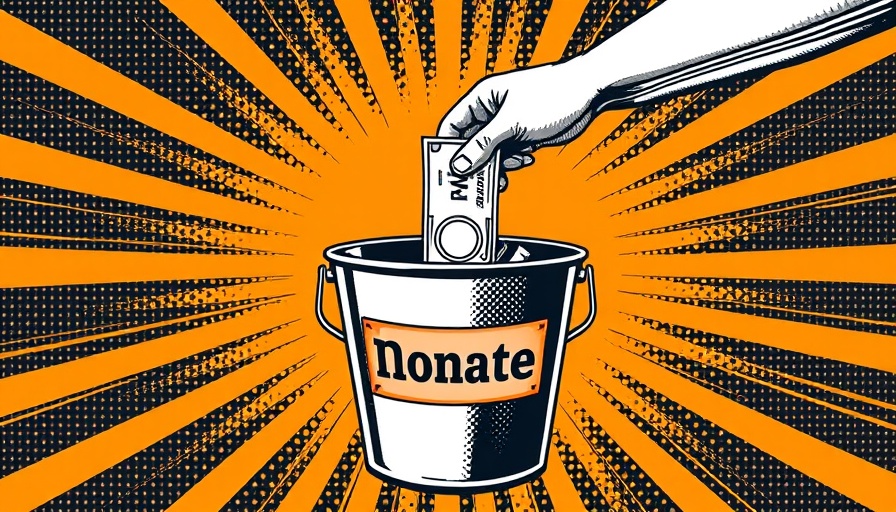
CRM for nonprofits in 2025 concept art with donation theme.

Understanding the Essential Role of CRM Systems for Nonprofits

In the world of nonprofit organizations, the management of donor relationships and volunteer engagement is critical. The rise of Customer Relationship Management (CRM) systems designed specifically for nonprofits allows organizations to navigate these challenges with greater efficiency. A well-implemented CRM centralizes all contact information, tracks engagement histories, and facilitates targeted outreach—all tailored to further the organization's mission.

Why Nonprofits Need Tailored CRM Solutions

Unlike traditional businesses, nonprofits operate under the constraints of limited budgets while striving to achieve significant social impact. A survey by NTEN indicated that 40% of nonprofits are integrating technology investments into their strategic plans. This shift highlights the necessity for adaptable and capable tools that support diverse needs, including donor management, grant tracking, and volunteer coordination.

Top CRMs Supporting Nonprofit Success

As we look toward 2025, several CRM platforms stand out for nonprofit organizations:

  • HubSpot: Known for its user-friendly interface, it provides features like contact management, email tracking, and customizable dashboards aimed at enhancing donor engagement.
  • Salesforce: Offers a robust set of tools tailored for nonprofits, including fundraising capabilities and comprehensive reporting options, helping organizations manage resources effectively.
  • Bloomerang: Focuses specifically on donor retention, providing insights that allow nonprofits to nurture relationships and improve engagement strategies.

Evaluating the Right CRM for Your Organization

Choosing the right CRM involves evaluating key features necessary for effective donor and volunteer management. Organizations should consider factors such as pricing, ease of integration, and specific functionalities tailored to nonprofit needs. Engaging with multiple platforms through demos or trials can provide invaluable insights and guide decision-making processes.

As nonprofits continue to evolve, the importance of effective CRM systems will only grow. Implementing a robust CRM not only aids in managing relationships but also boosts overall operational efficiency and impact.

Business

54 Views

0 Comments

Write A Comment

*
*
Please complete the captcha to submit your comment.
Related Posts All Posts
08.22.2026

Tech Stack Consolidation: The Key to Streamlined Business Operations

Update Understanding Tech Stack Consolidation Tech stack consolidation refers to the process of combining multiple technologies and systems into a unified platform. This approach offers various benefits, including reduced operational costs, streamlined processes, and improved collaboration across departments. Organizations often grapple with the challenges of juggling disparate tools, leading to inefficiencies and fragmentation in data management. By consolidating their tech stacks, businesses can gain a clearer competitive advantage. Benefits of Unified Systems Implementing unified systems can foster enhanced communication among teams, facilitating the sharing of information and insights. A cohesive tech stack also reduces training time for employees, as they only need to become adept at using one primary system rather than multiple. This simplification not only improves employee productivity but can also lead to higher employee satisfaction. Building an Effective Unified System Creating a unified tech stack begins with assessing your current tools and identifying the needs of your organization. Integration is key; utilizing APIs and other integration tools ensures that different software can communicate effectively with one another. It’s essential to choose platforms that support scalability, providing flexibility as your business grows and evolves. Future-Proofing Your Strategy As businesses continue to delve deeper into digital spaces, tech stack consolidation is not just a trend, but a necessity. Embracing these unified platforms streamlines operational processes, allowing companies to focus on innovation and growth. By investing time and resources into building an effective tech stack, organizations position themselves to adapt quickly to market changes and consumer demands.

08.18.2026

The Impact of CRM Systems on Insurance Companies: Why It Matters

Update The Importance of CRM Systems in the Insurance Industry In the intricate world of insurance, success hinges on robust customer relationships. This is where a specialized customer relationship management (CRM) system proves invaluable. Unlike generic systems, a CRM tailored for insurance companies is designed to manage the customer journey across the entire policy lifecycle. It streamlines tasks such as follow-ups, nurturing client relationships, providing customer service, and handling renewals. Why Speed of Response Matters In the insurance sector, responsiveness can significantly influence lead conversion rates. Research shows that leads contacted within an hour are an astonishing 60 times more likely to qualify compared to those who are reached after 24 hours. A well-implemented CRM helps insurance agents automate outreach processes, ensuring rapid follow-up with potential clients, which is crucial in a competitive marketplace. CRM vs. Other Software Systems Insurance agencies typically employ three principal software types: CRM, Agency Management System (AMS), and Agent Portal. While CRM focuses primarily on enhancing sales relationships through lead tracking and pipeline management, AMS deals with back-office operations such as processing policies and managing commissions. Understanding these distinctions is essential for agencies looking to optimize their operations and customer interactions. Key Features of Effective CRM for Insurance Insurance-specific CRMs offer functionalities that transcend mere lead management. Features such as automated renewal notifications and cross-selling prompts can drastically enhance retention rates and revenue. For instance, companies like YuLife have reported retention rates as high as 98% after implementing systems that automate renewal alerts, underscoring the value of an effective CRM. Conclusion: The Future of Insurance with CRM Embracing a focused CRM system is vital for insurance agencies aiming to thrive in today’s environment. As the industry continues to evolve, having the right tools to manage customer relationships will be crucial to securing new business and ensuring repeat clients. As we look to the future, businesses must recognize the potential of CRMs to not only simplify their processes but to drive meaningful connections with their clients.

08.05.2026

Master CRM Change Management: Essential Strategies for Success

Update Understanding CRM Change ManagementCRM change management is not merely about implementing new software; it's about ensuring teams wholeheartedly embrace these new tools and methodologies. Research shows that CRM projects often stall not due to technical failures, but because users don’t fully adopt the system. By focusing on the people involved, organizations can enhance workflow efficiency, streamline communication between marketing, sales, and service teams, and ultimately improve customer experiences.Building a Solid Change Management PlanCreating an effective CRM change management plan involves comprehensive preparation and strategic implementation. Key components include assessing team readiness through surveys, defining the project scope explicitly, and identifying metrics for success. Each of these steps ensures that potential challenges are addressed proactively, thereby facilitating smoother transitions and higher adoption rates.Measuring Success Post-ImplementationThe real test of a CRM system's effectiveness lies in its adoption rates and data accuracy post-launch. Frequent evaluations and adjustments based on team feedback can help sustain higher engagement levels, ensuring the CRM's initial promise of process alignment and enhanced visibility remains intact.Leveraging AI for Enhanced CRM ManagementInnovations like artificial intelligence are increasingly integral to CRM change management. By deploying AI-driven analytics, businesses can gain insights into user behavior, tailor training sessions, and predict future challenges, making the overall transition smoother and more effective.Final Thoughts on CRM Change ManagementTo bridge the gap between expected and actual CRM adoption, it is paramount for leaders to consider change management as part of their CRM implementation strategy. Organizations that prioritize their teams during the transition will likely find themselves reaping the long-term benefits, from increased customer satisfaction to improved data integrity.

cropper
update
WorldPulse News
cropper
update

Write a small description of your business and the core features and benefits of your products.

  • update
  • update
  • update
  • update
  • update
  • update
  • update

COMPANY

  • Privacy Policy
  • Terms of Use
  • Advertise
  • Contact Us
  • Menu 5
  • Menu 6

+12036415327

AVAILABLE FROM 8AM - 5PM

City, State

8 N Mark Drive, Oxford, CT

ABOUT US

Write a small description of your business and the core features and benefits of your products.

© 2026 CompanyName All Rights Reserved. Address . Contact Us . Terms of Service . Privacy Policy

Terms of Service

Privacy Policy

Core Modal Title

Sorry, no results found

You Might Find These Articles Interesting

T
Please Check Your Email
We Will Be Following Up Shortly
*
*
*
