Add Row
Add Element
UPDATE
Add Element
  • Home
  • Categories
    • Business Marketing Tips
    • AI Marketing
    • Content Marketing
    • Reputation Marketing
    • Mobile Apps For Your Business
    • Marketing Trends
October 16.2025
3 Minutes Read

Why Content Chunking Matters for Small and Medium Businesses

Content Chunking: What Is It & Should You Care?

Understanding Content Chunking: The New Wave of SEO Strategy

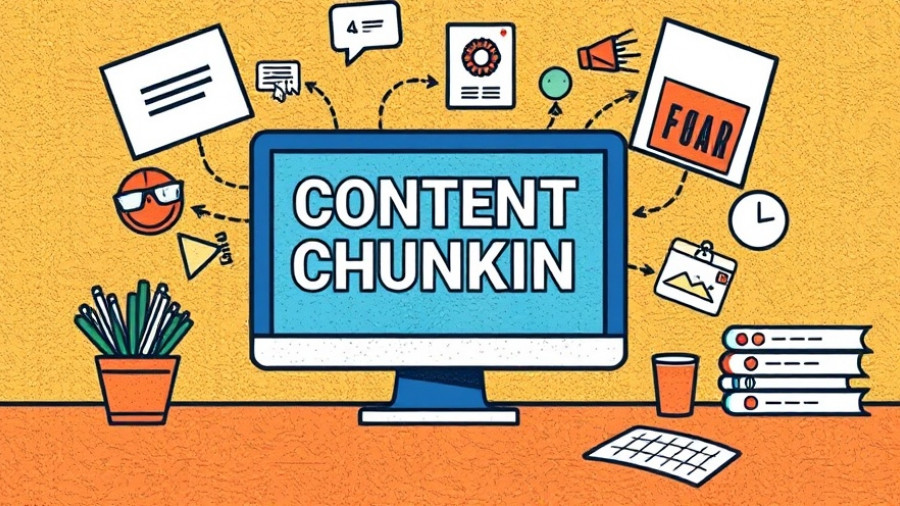
Content chunking has emerged as a prominent strategy in the rapidly evolving landscape of digital marketing. But what does it mean for small and medium-sized businesses? In essence, content chunking refers to the practice of dividing content into manageable segments or "chunks" that not only improve readability but also align seamlessly with how artificial intelligence (AI) systems process information. As a result, businesses that leverage this technique positioning themselves favorably for improved visibility in AI-driven search results and enhanced user engagement.

The Fundamentals: What Is Content Chunking?

At its core, content chunking entails breaking down dense information into smaller sections, each addressing a singular point. This approach can significantly enhance user experience, as it aligns with readers' preferences for skimming and scanning online. For instance, properly chunked content makes use of clear headings, concise paragraphs, and bullet points, all of which cater to the way modern audiences absorb information. An article that employs these principles significantly lowers cognitive load, allowing readers to grasp information more efficiently.

The Intersection of AI and Content Chunking

The rise of AI tools has brought about a transformational change in how information is searched and consumed. According to SEO expert Chris Green, implementing a chunked content strategy can increase your visibility across AI platforms, boosting your chances of appearing in coveted featured snippets. This is primarily due to AI’s passage-based retrieval approach, where algorithms extract specific pieces of information from well-structured content. This proves especially useful in voice-activated searches, where concise and direct answers are necessary.

Success Metrics: Does Content Chunking Provide Real Results?

While content chunking enhances readability and AI discoverability, it alone does not guarantee success. A recent study highlighted that content quality—accuracy, relevance, and comprehensiveness—holds far greater weight in AI optimization than simply chunking your text. Therefore, while chunking presents a framework that enhances content presentation, it is crucial to maintain integrity in the information being conveyed. In fact, some of the highest-ranking articles include original research, actionable insights, and anticipate follow-up questions, highlighting that substantial content matters more than format alone.

Implementing Content Chunking: Best Practices

For small and medium-sized businesses eager to adapt to this innovative strategy, here are several actionable tips for successfully chunking your content:

  • Descriptive Headings: Utilize clear and descriptive sub-headings that inform the reader immediately about what to expect in the section. This also helps AI systems index and retrieve information more efficiently.
  • Straightforward Points: Get straight to the main ideas in the first few sentences to cater to AI’s preference for direct, succinct responses. Avoid lengthy introductions that may dilute the central message.
  • Self-Contained Paragraphs: Craft paragraphs that can stand alone to ensure that each can be independently understood by readers and AI algorithms.
  • Bullet Points and Lists: Use lists to present information clearly and concisely. This chunked format makes the content more scannable, aiding both user experience and AI extraction capabilities.

The Multifaceted Benefits of Content Chunking in Marketing

By adopting content chunking strategies, businesses enhance not just their SEO efforts but also significantly boost user engagement. Here are some benefits to consider:

  • Increased Engagement: Readers naturally gravitate towards well-structured content that allows for quick navigation and comprehension.
  • Enhanced User Experience: Improved readability leads to higher retention rates and encourages deeper exploration of related topics, benefiting overall site performance.
  • Adaptation to AI Trends: As voice searching and AI becoming more prevalent, businesses must adjust their practices to remain relevant and optimize for these new dynamics.

Conclusion: Action Steps for Businesses

As the digital landscape continues to shift, small and medium-sized businesses must stay ahead by adapting their content strategy. By incorporating content chunking techniques, companies can improve not only their visibility in AI search results but also provide an enriched reading experience that addresses the needs of their audience. Embracing this strategy is not just about formatting; it’s about creating value through structured, intent-driven content. Begin implementing these techniques today to position your brand for future success.

Ready to transform your digital content strategy? Implement chunking today and watch both your engagement and visibility soar.

Content Marketing

Write A Comment

*
*
Related Posts All Posts
01.18.2026

Why Producing More Digital Content Isn’t Always Best for Your Business

Update The Dilemma of Digital Production: More Isn't Always Better In today's fast-paced digital world, the urge to create more content than ever before has become almost a compulsion for many businesses, especially small and medium enterprises (SMEs). However, as Kevin Wilson's short story illustrates concerning workers sorting Scrabble tiles, the reality we are facing is that producing more and sorting later may not be an effective strategy. It is increasingly apparent that this approach often leads to disorganization, inefficiency, and frustration in accessing the needed information. Understanding the Cost of Excess Production The modern digital landscape has made it cheaper and easier to produce content than ever. Yet, the act of creating more content without a clear strategy can quickly become counterproductive. Marketers are churning out articles, posts, and videos at an alarming rate, often leading to content saturation. With an average user spending about six hours a day consuming digital content, it becomes essential to recognize that mere quantity does not equate to quality or effectiveness. Leveraging AI to Enhance Personalization As pointed out in a recent Forbes article by Nataliya Andreychuk, the use of AI in content creation should be strategic. Rather than using AI to generate a high volume of content, businesses should harness AI-driven insights to create personalized experiences that resonate with individual audiences. Personalization has become a cornerstone of effective marketing, as consumers increasingly demand content that speaks directly to their needs and preferences. The Importance of Process Over Production In stark contrast to the production-first approach, the emphasis should shift towards a deliberate and thoughtful production process. Exploring content strategy frameworks that prioritize quality and effectiveness can yield significantly better results. Instead of making content and sorting it later, companies should focus on developing a sustainable content strategy that allows for the creation of valuable, well-targeted content from the outset. Adapting to Content Creation Challenges Marketers face various hurdles, including siloed tools, limited resources, and fragmented data. As outlined in another Forbes article focusing on overcoming content challenges, establishing a center of excellence for content management can streamline processes and ensure consistency. Utilizing tools like Contentful Studio can enable marketers to manage content effectively without relying on developers, thus enhancing agility and responsiveness to market needs. Redefining the Role of Content in Marketing Today, content plays a vital role in fostering trust and building relationships with consumers. The proliferation of content, combined with the rise of generative AI, creates an expectation for brands to maintain high-quality, trustworthy material. However, without a sound strategy that revolves around user needs and expectations, this quest for quantity can lead to reputational risks and consumer disengagement. Taking Action: Reassess and Realign It's crucial for SMEs to reassess their content strategy and consider whether their approach is yielding the desired results. Ask critical questions—are you meeting your audience's needs? Is your content actually engaging? By refining your processes and focusing on personalization and quality, companies can better navigate the digital landscape. The pitfalls of excessive content production need to be addressed. Work smarter, not harder, by strategically leveraging technology to create exceptional content experiences that stand out in an oversaturated market.

01.15.2026

Transform Your Marketing with AI: The Best Content Creation Tools

Update Navigating the Evolving Landscape of Content Creation Tools In the rapidly shifting world of digital content, the battle for attention demands more than just quantity; it demands quality, relevance, and sharp strategies. Small and medium-sized businesses are uniquely positioned to leverage AI-enhanced content creation tools that streamline processes, solidify branding, and resonate with audiences. Understanding the Need for Enhanced Content Tools The content creation landscape is no longer just about words on a page. The advancements in artificial intelligence and changing user preferences mean that businesses must embrace innovative tools that cater to both human readers and algorithm-driven platforms. Effective content now relies on research, fluid workflows, and methods that enhance SEO and engagement. Top Picks for Content Creation in 2026 This article highlights the 23 best content creation tools in 2026 that can benefit creators and businesses: Keyword Magic Tool: An efficient keyword research tool that personalizes searching strategies, starting at $117.33/month. Google Trends: A vital tool for discovering trending topics, available for free. Canva: For design ease, Canva enables quick graphics creation with AI features from $15/month. ChatGPT: Ideal for generating and repurposing content, it continues to be a popular choice with both free and premium plans. Grammarly: Essential for editing and enhancing writing clarity and style with both free and premium upgrades. Descript: A go-to for editing podcasts and videos, enabling transcript creation and audio clarity improvements. Murf: Generating high-quality voiceovers that cater to various creative and commercial needs. Audacity: A powerful free audio editing tool that remains a favorite among budding creators. Buffer: For social media management, Buffer provides AI-enhanced post scheduling and content generation starting at $6/channel/month. Synthesia: Ideal for corporate learning and training, offering text-to-video AI capabilities. Integrating AI Tools into Your Workflow While having a suite of powerful AI tools is beneficial, the strategy around their usage is paramount. Businesses must ensure they have a structured approach to content creation that incorporates: Clear content goals and needs identification before implementation. Regular updates of AI knowledge bases for current content relevance. A balance between AI-generated drafts and human creative input to maintain authenticity. Data analysis of content performance to refine strategies based on audience engagement. Future Insights and Trends As we traverse through 2026, it is crucial to keep an eye on emerging trends that redefine content creation. AI tools will become more sophisticated in understanding context, ensuring emotional intelligence in writing, and providing deeper audience insights. Notably, businesses should prepare for: A shift towards personalized content experiences driven by AI’s predictive capabilities. Increased incorporation of interactive content that engages users more than traditional formats. Enhanced collaboration tools within individual AI platforms, allowing for seamless remote workflows. Conclusion: A Future-Oriented Approach With the accelerating pace of technology, small and medium-sized businesses must remain agile in adopting innovative tools that empower their operations. The integration of AI into content creation not only simplifies processes but also enriches output quality. As businesses harness these tools, they position themselves at the forefront of engaging prospective clients effectively and responsively. Ready to discover how these advanced tools can transform your content strategy? Dive deeper, explore these options, and embrace the digital future of content creation.

01.13.2026

Unlocking the Power of Multi-Channel Content Distribution for SMBs

Update The Changing Landscape of Content Distribution for SMBs In today's digital world, small and medium-sized businesses (SMBs) face a daunting challenge when it comes to content distribution. With millions of new blog posts published every day, it feels like many businesses are only shouting into the void. In fact, around 45% of online content goes unseen, which translates to wasted time and effort. This reality underscores the critical need for effective multi-channel content distribution strategies. Understanding Multi-Channel Content Distribution Multi-channel content distribution involves publishing and promoting content across several platforms simultaneously. This strategy enables businesses to reach audiences wherever they consume information. For SMBs, this could mean sharing insights through blog posts, social media, email newsletters, podcasts, and video platforms. By diversifying distribution channels, businesses can amplify their reach and better engage with potential customers. Why Multi-Channel Strategies Matter Multi-channel distribution focuses on maximizing the reach and engagement of content, enhancing lead quality, and ultimately driving revenue. According to a recent guide on content distribution, businesses that employ a multi-channel strategy can see increased visibility and customer engagement. As consumers shift from platform to platform, having content available in multiple formats adapts to these varied preferences, leading to higher conversions. Strategies for Effective Multi-Channel Distribution Here are some proven strategies to streamline your multi-channel content distribution and truly connect with your audience: Define Your Core Content: Start by creating a primary piece of content, such as a blog post or eBook. This serves as the foundation for all your other content, making it easier to repurpose across various channels. Adapt Content Formats: Different platforms have varied requirements — transform blog posts into engaging short videos for social media or create infographics that condense lengthy reports into digestible visuals. Coordinated Publishing: Utilize scheduling tools to automate the posting process, allowing you to maintain consistency across all channels without burning out. Track Performance: Metrics matter! Monitor engagement and conversion rates on each channel to identify what resonates most with your audience. Key Metrics to Optimize Your Efforts To truly understand how your multi-channel strategy is performing, it's essential to track specific metrics: Engagement Rates: Look at likes, shares, comments, and click-through rates on your content across platforms. Conversion Rates: Measure how well your content is converting visitors into customers. Attribution: Ensure that you can attribute revenue to specific channels; this helps refine your strategy based on solid data. Actionable Insights for the SMB Landscape Creating and implementing a multi-channel content distribution strategy involves planning, execution, and constant adjustment. Here are some actionable insights tailored for SMBs: Leverage Email Marketing: Despite the rise of social media, email remains a powerful tool for engaging current and potential customers. Create regular newsletters with enticing content to keep your audience informed. Utilize Social Media Wisely: Choose platforms that align with your target audience. Regularly share engaging content, and don’t hesitate to invest in paid advertising to boost visibility. Engagement in Community: Participate in online forums where your audience hangs out. Engage in meaningful discussions to establish credibility and promote your expertise subtly. Repurposing Content: Maximize your content's potential by repurposing it in various formats. For instance, transform a blog post into a series of social media posts or an infographic. Utilize Analytics Tools: Employ tools that simplify tracking and measuring your content distribution efforts, ensuring you can adapt your strategy based on real-time data. Keeping Technique and Strategy Aligned In the era of Loop Marketing, alignment between your content strategy and distribution channels is essential. This means ensuring that your messaging and branding are consistent while still adapting tactics uniquely suited to each platform. Embracing a holistic approach to content distribution can help SMBs foster a deeper connection with their target audience. Call to Action If you’re looking to transform your content distribution strategy, take a closer look at how you can effectively engage with your audience through multiple channels. With the right tools and methods, you can elevate your brand presence and drive meaningful engagement.

Terms of Service

Privacy Policy

Core Modal Title

Sorry, no results found

You Might Find These Articles Interesting

T
Please Check Your Email
We Will Be Following Up Shortly
*
*
*