Add Row
Add Element
UPDATE
Add Element
  • Home
  • Categories
    • Business Marketing Tips
    • AI Marketing
    • Content Marketing
    • Reputation Marketing
    • Mobile Apps For Your Business
    • Marketing Trends
August 07.2025
3 Minutes Read

How Wearables Can Transform Insulin Resistance Prediction for SMEs

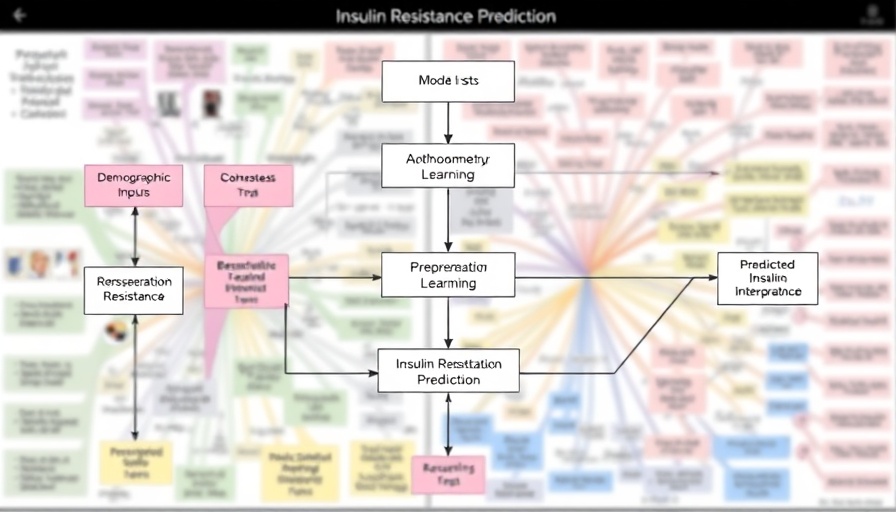
Flowchart of insulin resistance prediction from wearables and AI analysis.

The Rise of Insulin Resistance: A Global Challenge

Type 2 diabetes is not just a personal health concern; it's a global epidemic affecting hundreds of millions of people worldwide. With its prevalence on the rise, understanding its precursors, particularly insulin resistance (IR), is more critical than ever. IR occurs when cells in our bodies fail to respond properly to insulin, a hormone vital for blood sugar regulation. Detecting IR early can be a game-changer, allowing for lifestyle adjustments that could delay or even prevent the onset of type 2 diabetes.

Current Limitations in Detecting Insulin Resistance

Traditional methods for diagnosing IR, like the euglycemic insulin clamp, are often invasive, costly, and not accessible in typical check-ups. As a result, many individuals at risk remain unaware of their condition, unable to take proactive measures. This gap in early detection is increasingly alarming, especially as factors like sedentary lifestyles and obesity contribute to rising IR rates.

Innovative Solutions Using Wearable Technology

What if we could harness everyday data from wearables and routine blood tests to provide actionable insights into one’s health? Recent advancements offer optimism through research conducted by Google, which demonstrates the potential of machine learning models to predict IR using data from wearable devices (such as activity levels and sleep patterns) supplemented with basic blood work. This innovative approach drastically increases the accessibility of IR risk assessments, paving the way for timely interventions.

How the WEAR-ME Study is Pioneering Change

In a landmark study dubbed WEAR-ME, researchers engaged 1,165 participants across the U.S. to explore how digital biomarkers could be utilized to estimate insulin resistance effectively. By partnering with Quest Diagnostics, they've automated the collection of routine blood tests, ensuring streamlined data integration. This research not only emphasizes the importance of leveraging existing technology but also signals a significant shift towards preventive health measures.

The Role of the Insulin Resistance Literacy and Understanding Agent

The emergence of tools like the Insulin Resistance Literacy and Understanding Agent adds another layer of promise to this field. Powered by advanced machine learning models, this digital agent aids individuals in understanding IR and offers personalized recommendations. Accessible insights like these are essential in empowering users to take control of their health, debunk myths surrounding diabetes risk, and foster a culture of awareness.

Closing the Gap: Future Predictions for Diabetes Prevention

With this innovative approach, the potential for preventing type 2 diabetes is more tangible. Imagine a future where regular wearables and blood tests serve as your health companions, guiding you towards lifestyle changes before it's too late. However, for this vision to materialize, it requires not just technology, but also public awareness, education, and a collective commitment to health.

Decisions You Can Make With This Information

Understanding insulin resistance is crucial for everyone, particularly those in small to medium-sized businesses who can influence health and wellness culture. Encourage your workforce to stay active, promote regular health check-ups, and consider investing in wearables that offer insights into individual health metrics. Knowledge and prevention strategies can lead to reduced healthcare costs and improved employee well-being.

If you’re a business owner, consider how you can integrate health monitoring into your company’s wellness programs. Providing access to tools and resources for understanding insulin resistance may not only benefit your employees but also contribute to a healthier society.

Business Marketing Tips

Write A Comment

*
*
Related Posts All Posts
12.23.2025

Exploring the Spiderman Inversion: Power and Responsibility in Business

Update Understanding Power Through Responsibility Peter Parker, known to all as Spider-Man, learned a valuable lesson from Uncle Ben: "With great power comes great responsibility." This iconic quote resonates deeply in the small and medium business world today, as leaders grapple with the dynamics of influence, authority, and ownership in a rapidly evolving landscape. The Power Dynamic in Today’s Organizations In any organization, small or large, power dynamics shape interactions and decisions. As seen in Seth Godin's blog, some individuals may try to sidestep their responsibility by claiming they lack power. However, this perspective can undermine both personal and organizational potential. Power is not only derived from formal authority but is also built through relationships, expertise, and even emotional intelligence. As identified in the Reference Article 1, power dynamics are intricately tied to organizational culture, influencing team behavior and decision-making processes. Power and Responsibility as Two Sides of the Same Coin Understanding the relationship between power and responsibility is essential for leaders. When leaders embrace their responsibilities, they unlock greater potential for innovation and trust within their teams. This dynamic can lead to healthier organizational cultures, where accountability fosters a sense of security among employees, as suggested by both Reference Article 1 and Reference Article 2. The shift from viewing power as something to control to cultivating it through stewardship reflects a growing trend among successful leaders. Transforming Power from Fear to Trust This transformation involves recognizing the informal power structures that can negatively impact employee engagement. When leaders understand and acknowledge these dynamics, they can cultivate environments where creativity and feedback are encouraged rather than stifled. For example, Reference Article 2 emphasizes the importance of balancing authority with respect to encourage a culture of open communication. In practice, this means that leaders should strive to minimize coercive tactics and instead focus on building consensus and trust within teams. By doing so, they not only preserve their authority but also enhance their leadership effectiveness. The Invisible Influences in Decision-Making Within organizations, unseen forces often dictate how decisions are made. Experienced employees may wield undue influence, drowning out the voices of newer team members. As discussed in Reference Article 1, such hidden power structures can undermine the ethos of an organization, leading to disengagement and conflict. Recognizing these dynamics is crucial for any leader looking to create a more inclusive decision-making process. Steps to Cultivating Healthy Power Structures To foster a healthy workplace culture, leaders should: Engage in open dialogues about decision-making authority and accountability. Encourage feedback at all levels, emphasizing that all voices matter. Redefine power from a source of fear to a collaborative tool that supports the personal and professional growth of all employees. By taking these steps, leaders can align their power structure with their organizational goals, ensuring both growth and engagement among team members. Conclusion: Embracing Power with Responsibility As the adage goes, "with great power comes great responsibility." This classic lesson serves as a guiding principle for today's leaders in small and medium businesses. Understanding and leveraging power dynamics can drastically enhance organizational culture, drive innovation, and ultimately lead to greater success. Embrace the responsibility that comes with your influence; it is the catalyst for turning potential into performance. If you’re looking to strengthen your organization’s power dynamics, and enhance your leadership skills, now is the time to take action. By becoming more aware of how power operates within your business, you can create a thriving environment that fosters collaboration and innovation.

12.22.2025

Unlocking Value in Retail: The Essential Guide for Small Businesses

Update Understanding the Modern Consumer's Value Perspective In today's economic landscape, marked by ongoing inflation and fluctuating consumer confidence, the hunt for value has become paramount for shoppers across income levels. The traditional understanding of value as merely a low price is swiftly evolving. As small and medium-sized businesses navigate these changes, a deeper comprehension of what constitutes value to consumers is crucial. Who Are the Value-Seeking Consumers? Research outlines a distinctive group known as value-seekers—individuals who exhibit behaviors such as trading down on brands, patiently awaiting sales, or being selective with discretionary spending. Alarmingly, around 40% of Americans identify with this group, a sentiment echoed across generations and affluences. Even within the demographics of high-income earners, a significant portion recognizes their value-seeking habits, debunking myths about who prioritizes value. The Interplay of Price and Value While price is a critical component in consumers' perception of value, it is not the sole determiner. Recent findings reveal that price influences between 60% to 90% of how consumers perceive value, yet up to 40% stem from factors like brand trust, quality, and customer experience. As such, savvy consumers may even opt to pay more for experiences that resonate and offer reliable quality. Spotlighting the MVPs: What Makes a Brand Stand Out? Some brands have emerged as heroes in this quest for value, known as MVPs (More Value for Price). These brands excel by consistently delivering more value than consumers expect based on their pricing. Insights from comprehensive consumer data reveal that only one in three brands achieves this high standard, showcasing the competitive advantage that comes from being perceived as an MVP. Brands that make the cut not only flourish in market share but enjoy considerably higher valuations. Elevating Your Brand: Strategies to Provide More Value For small and medium-sized businesses looking to position themselves as MVPs, the key lies in enhancing brand trust and delivering consistent quality. Investing in your workforce to cultivate a positive customer service environment can translate significantly into customer loyalty and satisfaction. Additionally, embracing Value-Aware Pricing concepts can help brands avoid overpricing while maintaining margin integrity, striking the delicate balance needed in today's sensitive market. The Future of Retail: Preparing for a Value-Centric Market As the retail landscape continues to evolve, it's increasingly imperative for brands to adapt to changing consumer expectations. The dichotomy between price and value is no longer simplistic; smart consumers are looking for brands that can deliver on the promise of quality at a reasonable price. Understanding this ongoing trend and adjusting offerings to elevate perceived value will be vital for long-term success. Conclusion: The Imperative of Value in Retail Today In this era of cautious spending, it’s more vital than ever for brands to embrace and communicate their value effectively. Understanding that value transcends mere price will empower retailers to connect meaningfully with consumers, transforming skeptics into loyal customers. Businesses must strive to be MVPs, ensuring that they offer significant worth for every dollar spent. For detailed insights on navigating this changing landscape and tips on becoming a value-driven brand, explore the valuable findings from the Deloitte report about retail consumer behaviors today.

12.21.2025

Strategies for Small Businesses to Time Their Success Right

Update Understanding the 3 to 5 Year Timeline for Business Success The journey to business success is often compared to planting a tree; the best time to start was years ago, but the second best time is now. For small and medium-sized businesses (SMBs), this analogy rings especially true as it points to the importance of patience and persistence in the face of initial setbacks. Studies indicate that most successful projects take around three to five years to gain the necessary traction. This means that businesses must keenly evaluate not only their current offerings but also future market needs. While it may be tempting to jump on trends, the reality is that quick fixes rarely equal long-term sustainability. The key lies in anticipating what will be relevant and sought after down the line. Why Trend-Chasing Can Be Detrimental Many SMBs often chase trends, launching products or services that are currently in demand. However, this can lead to an inability to secure a loyal customer base when that trend fades. Instead, a focused strategy is vital—one that is anchored in identifying and addressing future needs. Taking the time to assess the specific needs of your target audience, building a solid foundation, and executing a well-researched plan can set the stage for future success. A business that anticipates the changes rather than chasing them often enjoys a competitive advantage. The Importance of Persistence and Patience Maintaining focus in the early stages is crucial. Many businesses falter because they lose sight of their long-term objectives amid the challenges of launching and establishing their brand. A common piece of advice is to develop a 'North Star' vision that helps guide decision-making. Persistence isn't just about hard work; it involves adapting to feedback and evolving in response to market changes. Successful entrepreneurs often cite failure as a critical part of their journey, emphasizing that each misstep offers valuable insights. Innovative Strategies to Stay Ahead In our rapidly evolving technological landscape, innovation is imperative. For instance, leveraging artificial intelligence (AI) and data analytics can provide deep insights into customer behaviours and preferences. This data-driven approach allows businesses to pivot effectively when necessary, seeking resources and adjustments to their offerings based on real-time feedback. Moreover, focusing on creating a reputation through quality content marketing can also play a significant role in establishing a brand long before its products take off. Building a narrative around your business can help you forge connections with your audience, fostering loyalty even before the successful launch of a new offering. Leveraging the Future Looking ahead, recognizing emerging trends is critical. Innovations in sustainability, personalized experiences through technology, and evolving consumer expectations will significantly influence future markets. Businesses that can integrate social impact into their offerings are also likely to capture growing consumer interest. Today’s customers are increasingly loyal to brands that demonstrate corporate responsibility. The landscape of small and medium-sized businesses is punctuated by the need for forward-thinking strategies. The idea that by looking ahead, businesses can position themselves to meet future demands is a powerful tool. Practical Tips for Small and Medium-Sized Businesses 1. **Conduct Market Research**: Stay attuned to the changing needs of your target audience and use analytics to inform decisions. 2. **Focus on Long-Term Goals**: Establish a clear vision that serves as a guide and helps maintain focus during challenging periods. 3. **Embrace Flexibility**: Be ready to change course when necessary—flexibility allows you to adapt to market conditions while keeping your business aligned with its vision. 4. **Create Quality Content**: Engaging content can build community and loyalty while you position your brand for the future. 5. **Implement AI Technologies**: Utilize artificial intelligence to analyse data-driven insights and tailor offerings to meet future demands. The Emotional Undertone of Entrepreneurship Launching and maintaining a business is not just a financial endeavor; it is often tied to the emotional and personal investments of business owners. The thrill of watching an idea transform brings immense satisfaction but coupled with the anxiety of uncertainty, persistence is key. Those who ground their goals in solid planning, adaptability, and resilience will find the journey worthwhile. In conclusion, understanding that successes take time is pivotal for small and medium-sized businesses. Those prepared to navigate the uncertain waters of entrepreneurship with long-term visions will ultimately reap the rewards of their patience and dedication. Perhaps it's time to plant that tree—for a flourishing future awaits.

Terms of Service

Privacy Policy

Core Modal Title

Sorry, no results found

You Might Find These Articles Interesting

T
Please Check Your Email
We Will Be Following Up Shortly
*
*
*