Add Row
Add Element
UPDATE
Add Element
  • Home
  • Categories
    • Business Marketing Tips
    • AI Marketing
    • Content Marketing
    • Reputation Marketing
    • Mobile Apps For Your Business
    • Marketing Trends
August 29.2025
3 Minutes Read

Discover How Semrush Report Templates Revolutionize SEO Reporting for Businesses

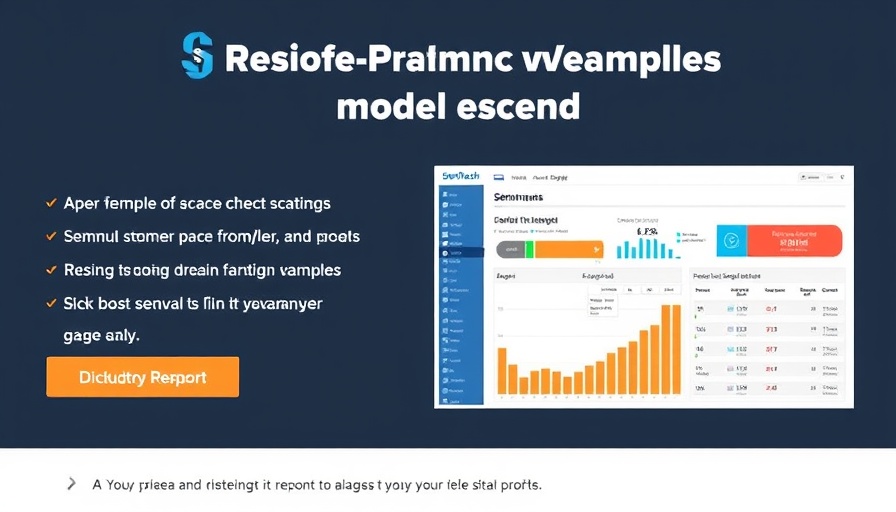
Semrush Report Examples & Templates Made Easy

SEO Reporting Made Effortless for Small and Medium Businesses

For small and medium-sized businesses, effective reporting is crucial for tracking progress and demonstrating value to clients and stakeholders. The Semrush Report Builder revolutionizes this process by transforming intricate SEO data into professional and understandable reports in a fraction of the time. Instead of dedicating hours to manual reporting, Semrush offers automated features that streamline the entire workflow.

Insights Delivered in Seconds with One-Click PDF Exports

In the fast-paced world of digital marketing, immediate access to data is imperative. The one-click PDF export feature allows business owners to generate polished reports on the spot. Whether it's to showcase current keyword rankings or provide an overview of site health, these one-click reports eliminate the worry of formatting and ensure information is readily available for team discussions and client meetings alike.

Creating Consistency with Ready-Made Templates

For many businesses, consistent reporting is essential for monitoring progress over time. Semrush's ready-made templates make this process seamless. These templates are not only visually appealing but also designed to draw in updated data automatically. Thus, businesses eliminate recurring tasks such as copying data and reformatting. Clients and stakeholders benefit from clear presentations of changes in metrics and growth, which boosts credibility and assurance.

The Flexibility of Customizable and Fully Custom Reports

Every business has unique needs, and Semrush accommodates that with customizable templates and fully custom reports. Users can tweak reports to fit their brand’s aesthetic while still integrating relevant SEO data. This balance of customization ensures that reports are not only functional but also visually appealing—making them ideal for high-stakes presentations or important client meetings.

The Power of Integrations for a Holistic View

With over 35 external integrations available, Semrush offers insights that combine SEO with metrics from other marketing channels. These integrations empower users to view a comprehensive landscape of their marketing efforts, reinforcing decision-making processes and strategy evaluations. For example, combining SEO performance with social media analytics offers deeper insights into what drives traffic and engagement, enabling businesses to adjust their strategies effectively.

Future Trends in Automated SEO Reporting

As AI and machine learning technologies continue to evolve, the landscape of SEO reporting will likely see significant advancements. Automation will become even more sophisticated, providing real-time analytics while offering predictive insights for better strategic planning. Businesses that adopt these innovations early stand to gain a considerable advantage, efficiently optimizing their marketing strategies and maximizing ROI.

Maximizing the Benefits of SEO Reporting Tools

Understanding how to leverage reporting tools effectively can significantly impact a business's success. Here are a few practical tips:

  • Regular Reviews: Establish routines for generating these reports, ensuring constant awareness of business health at all times.
  • Stakeholder Engagement: Use reports in meetings not just to show data, but to initiate discussions about future campaigns and strategies.
  • Incorporate Feedback: Continuously refine reporting processes based on stakeholder feedback to enhance clarity and effectiveness.
Through these actions, businesses can strengthen their reporting practices and, ultimately, drive better decision-making.

Conclusion: Embrace Automation and Enhance Your Strategies

Streamlined SEO reporting should be an integral part of your marketing strategy. Embracing tools like Semrush allows small and medium businesses to focus on their core objectives while ensuring clarity in reporting. The ease of data integration and effective presentation leads to improved business strategies and enhanced stakeholder relationships. Take the leap into the future of reporting—your business deserves efficient, insightful, and valuable data.

Marketing Trends

Write A Comment

*
*
Related Posts All Posts
12.15.2025

Maximize Your Business Potential with LinkedIn Marketing Strategies for 2026

Update Understanding LinkedIn Marketing: A New Era Once perceived primarily as a digital resume space, LinkedIn has dramatically transformed into a vibrant platform for business marketing and community building. With over 1 billion users worldwide, it's an invaluable environment for small and medium-sized enterprises (SMEs) targeting professionals and B2B opportunities. The platform now serves as a growth ecosystem where brands can foster connections, share expertise, and nurture trust, making it essential for businesses to adapt their marketing strategies to leverage its full potential. The Shift from Job Hunting to Brand Building In the early days of LinkedIn, the primary focus was on job seeking and networking for employment opportunities. However, today's landscape is vastly different. Businesses use LinkedIn not just for hiring but to showcase their culture and drive brand engagement. According to a recent report, 87% of B2B marketers now utilize LinkedIn for marketing, marking it as a critical resource for businesses looking to engage their target audience effectively. How Businesses Are Utilizing LinkedIn Effectively To thrive on LinkedIn, businesses need to create a strategic plan that employs: Engaging Content: Sharing insightful articles, infographics, videos, and other valuable resources helps establish your brand as a thought leader in your industry. Understanding your audience's needs and crafting content that addresses their pain points is crucial. Consistent Posting: Consistency breeds familiarity. Posting regularly about industry trends, company updates, and thought leadership topics ensures your brand stays visible and relevant. Interactive Engagement: Interaction is key on LinkedIn. Engaging with connections by participating in discussions, responding to comments, and sharing pertinent posts not only helps expand your network but also cultivates trust. Building a LinkedIn Marketing Strategy Establishing a robust LinkedIn marketing strategy isn't merely about posting updates; it’s about creating a structured approach to connect with your audience: Define Your Objectives: Start by setting clear marketing goals, whether they are building brand awareness, generating leads, or establishing authority in your field. Optimize Your Company Page: Make sure your LinkedIn page is fully optimized with a compelling summary and keywords to attract the right audience. Content Pillars: Identify three to five main topics that resonate with your audience. This targeted content strategy ensures that you remain focused and relevant. Use LinkedIn Ads: For enhanced reach, consider leveraging LinkedIn's advertising features to target specific demographics, industries, and job functions. This can catalyze your ability to attract more engaged leads. Analyze and Adapt: Finally, regular assessment of engagement metrics through LinkedIn’s analytics will help identify what works and where adjustments are needed. Understanding your audience's preferences will enable continuous improvement. The Power of Employee Advocacy One of the most underutilized strategies in LinkedIn marketing is harnessing the power of employee advocacy. Encouraging team members to engage with your content or share their own experiences not only humanizes your brand but significantly expands your reach. For example, a company can leverage its employees’ networks by empowering them to share posts, thus amplifying brand visibility. Best Practices to Enhance Engagement As competition intensifies, elevating engagement becomes pivotal. Here are practical tips to enhance your LinkedIn strategy: Content Variety: Utilize various content formats like short videos, slideshows, or articles to cater to different audience preferences. Early Engagement: Prompt your team to engage soon after posting. This can significantly boost the visibility of your content. Cruise Through Trends: Staying updated with LinkedIn trends allows you to adjust your strategies and tap into current conversations. Final Thoughts: The Future of LinkedIn Marketing As LinkedIn continues to evolve into a major B2B marketing platform, businesses must evolve their strategies accordingly. By adopting a consistent, authentic approach focused on community engagement and valuable content, brands can thrive and convert connections into meaningful business relationships. The potential return on investment from a well-executed LinkedIn strategy is substantial, making it a channel that shouldn't be ignored for future growth. To learn more about how your business can effectively utilize LinkedIn as a marketing channel, consider exploring advanced LinkedIn strategies tailored for driving business growth.

12.15.2025

Unlocking Marketing Success: Why AI is Bad at Being Cool

Update Why AI Isn't Being 'Cool' Enough for MarketersIn 2025, the buzz around artificial intelligence (AI) continued to grow, and so did the realizations among marketers about its limitations. While it promises efficiency and innovative solutions, its struggle to create truly engaging content and strategies led to insightful lessons from HubSpot marketers. They highlighted the critical need to blend AI's capabilities with human creativity, emphasizing that AI, while powerful, lacks the unique flair that makes content resonate with audiences.Human Touch Limits AI's Marketing EdgeOne of the key takeaways from this year's experiences is the acknowledgment that AI alone can't replace the emotional intelligence required in marketing. Amy Marino, a Senior Director at HubSpot, expressed that AI might generate content effortlessly, but it often misses the mark when it comes to being 'cool' or culturally relevant. Whereas AI can churn out lists and updates, a human's insight into what resonates on a personal level remains irreplaceable. The blend of AI efficiency and human creativity is essential for crafting messages that truly connect.Small Changes Yield Big ResultsAnother pivotal theme from the HubSpot discussions was that sometimes, monumental breakthroughs stem from the simplest adjustments. Adam Biddlecombe, an AI media strategist, found that small tweaks in workflow—like customizing AI tools for niche tasks—significantly boosted productivity. This simple mindset shift from overthinking to action transformed his day-to-day operations, revealing that perfectionism can often hinder progress.Letting Go of Outdated MetricsIn the fast-paced marketing landscape, the firm belief in quantifying every action can suffocate creativity. Jonathon McKenzie, Head of Brand Paid Media, shared his journey of shedding the obsession with metrics, acknowledging that not all valuable activities can be quantified, especially those that elevate brand awareness. This leap of faith into unmeasurable endeavors led to successful campaigns, encouraging others in the industry to reconsider their rigid approaches to success measurement.Educating Teams to Embrace ChangeMarketing is dynamic, especially with the rapid pace of AI evolution. Amanda Kopen, a Marketing Manager, took proactive steps to elevate her team's knowledge of AI advancements. By repurposing team meetings into mini-training sessions, she empowered her colleagues to become more agile and informed in how they utilized AI in their strategies. This knowledge-sharing culture not only fostered teamwork but also spurred creativity and productivity, paving the way for innovative ideas and campaigns.Rethinking AI in Marketing: A Balanced ApproachThe overarching lesson these marketing professionals learned is that AI should be viewed as an assistant rather than a replacement. By employing AI for mundane tasks and letting creative strategists focus on the bigger picture, marketers can maximize their potential. This partnership can drive richer, more engaging content that captures audiences in a cluttered digital environment.Looking Ahead: The Future of AI in MarketingAs we venture into 2026, marketers should adopt a forward-thinking approach towards AI. The gradual evolution of AI tools means that marketers need to stay adaptable, learning and iterating as they go. Building a robust framework that incorporates both AI technology and human creativity will future-proof marketing strategies, ensuring they remain relevant and engaging amidst ever-evolving audience preferences and technological advancements.The Bottom Line: Your Next StepsFor small and medium-sized business owners, harnessing the lessons learned from HubSpot's 2025 experiences can serve as a guiding light. Embrace AI with a healthy dose of skepticism; leverage its strengths while appreciating its limitations. Invest in team training, simplify workflows where possible, and above all, reinforce the importance of human expertise in the creative process.Now is a great time to reflect on your current strategies and consider how you might implement these insights into your marketing plan. As you move forward, prioritizing creative collaboration between humans and AI can pave the way for the next wave of marketing success in your business.

12.15.2025

Transform Your Email Strategies with AI-Powered Content Suggestions

Update Unlocking the Power of AI in Email Marketing Email marketing is evolving rapidly, with AI at its forefront. For small and medium-sized businesses (SMBs), harnessing AI-powered email content suggestions can drastically change how campaigns are crafted and executed. Gone are the days of guesswork; now, businesses can rely on data-driven insights to create content that resonates with their audience. The Importance of Personalization In a world where consumers are bombarded with countless emails, personalization is key. According to a recent report, emails with personalized subject lines are 26% more likely to be opened. AI tools analyze engagement data to recommend tailored content based on user interactions, buying behavior, and preferences. For instance, platforms such as HubSpot's Marketing Hub and CleverTap provide robust personalization features that can revolutionize your campaigns. However, it’s crucial to strike a balance. While technology analyzes data, the human touch in crafting relatable and authentic messages is still essential. SMBs can combine AI-generated suggestions with personal anecdotes to deepen connections with customers. Common Pitfalls and How to Avoid Them Despite the benefits, there are common pitfalls businesses encounter when venturing into AI-powered email marketing. One significant challenge is over-reliance on AI-generated content. While these suggestions can guide improvements, they are not foolproof. Marketers should be vigilant in verifying that the AI-driven insights align with their brand voice and objectives. Additionally, businesses need to ensure compliance with privacy regulations. AI is powerful, but it must be used ethically, respecting customer privacy and consent. Brands should communicate transparently about how they use digital data. Measurement and Iteration Once your AI-enhanced email campaigns are running, it’s vital to track performance through analytics. Tools like ActiveCampaign and Mailchimp provide in-depth insights into open rates, click-throughs, and conversions. By leveraging these metrics, SMBs can continually refine their strategies, ensuring campaigns evolve with the audience’s changing preferences. Moreover, implementing A/B testing can significantly enhance your email marketing outcomes. This process allows businesses to experiment with different subject lines, content variations, and send times, optimizing for better engagement and higher conversion rates. Actionable Strategies for Implementing AI in Email Marketing Implementing AI in email marketing doesn't have to be daunting. Here are a few actionable steps: Choose the Right Tool: Select AI tools that seamlessly integrate with your existing CRM for data-driven insights. Start Small: Begin with a few AI-generated email campaigns and gauge their performance before scaling up. Educate Your Team: Ensure your marketing team understands how to leverage AI such as ChatGPT effectively. Solicit Feedback: Use customer feedback to fine-tune your campaigns and make them more customer-centric. The Future of Marketing - A Blend of AI and Human Insight AI is not a silver bullet that will replace human touch; rather, it's a powerful tool that can enhance creativity and drive efficiency. In 2025 and beyond, businesses that combine the analytical power of AI with the emotional intelligence of storytelling will likely see the most success. As we embrace this technological advancement, it's essential to remember that each data point corresponds to a real person. By maintaining genuine communication and elevating customer relationships with the help of AI, SMBs can thrive in an increasingly competitive digital landscape. To fully engage in transforming your email marketing strategy, consider exploring the integration of AI-powered tools and harness their potential for better engagement. Don't wait—start testing today!

Terms of Service

Privacy Policy

Core Modal Title

Sorry, no results found

You Might Find These Articles Interesting

T
Please Check Your Email
We Will Be Following Up Shortly
*
*
*