Add Row
Add Element
UPDATE
Add Element
  • Home
  • Categories
    • Business Marketing Tips
    • AI Marketing
    • Content Marketing
    • Reputation Marketing
    • Mobile Apps For Your Business
    • Marketing Trends
October 31.2025
3 Minutes Read

Boost Your Business Visibility with LLM Citations: A Guide

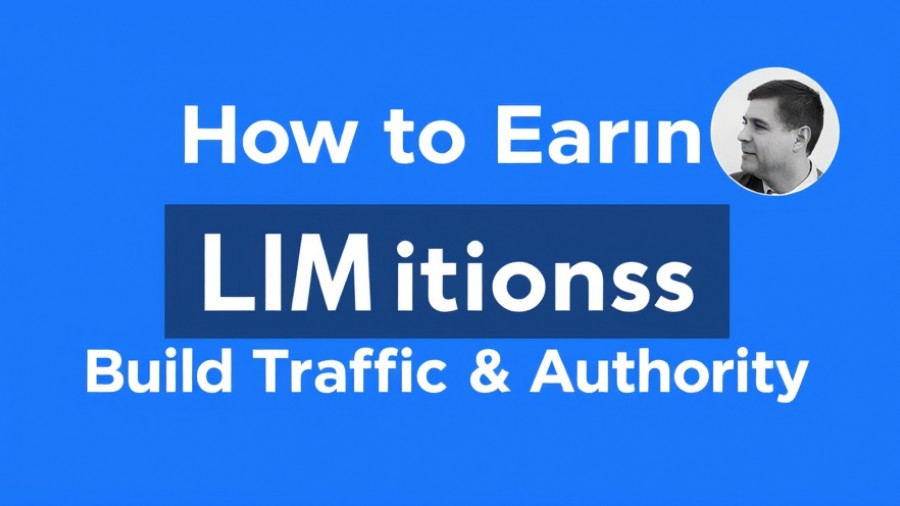
LLM citations blog titled 'How to Earn LLM Citations to Build Traffic & Authority' on a blue background

Unlocking the Potential of LLM Citations for Small Businesses

In today's digital landscape, small and medium-sized businesses are constantly searching for new and effective ways to capture audience attention and drive traffic to their websites. One emerging opportunity lies in leveraging Large Language Models (LLMs) and the citations they generate. But what does this mean for businesses like yours?

The Importance of Being Cited by AI

When AI tools like ChatGPT or Claude generate responses, they often reference sources, citing authoritative content as a part of their answers. For small businesses, earning these LLM citations can significantly enhance your brand's credibility and visibility. Think of it as being included in the go-to recommendations of a trusted friend. If AI algorithms are pointing users toward your website, you must ensure your content offers valuable insights that will resonate with your intended audience.

Mentions vs. Citations: Understanding the Difference

Earning an LLM citation is different from simply being mentioned. A citation includes a link to your content, typically when users seek factual information or statistics. On the other hand, a mention might only refer to your brand without a hyperlink, making it less authoritative. For small businesses, while mentions may raise brand awareness, citations provide the added benefit of driving meaningful traffic to your site.

Enhancing Your Content to Earn Citations

Creating quality content is a fundamental step in positioning your brand favorably in the eyes of AI. The most cited domains, like Wikipedia and Reddit, have one thing in common: high-quality, trustworthy content that meets users’ needs. For small businesses, this means focusing on thorough research, presenting data effectively, and providing actionable insights. These practices not only enhance your credibility but also align with what AI seeks when presenting answers to user queries.

The Role of Intent and Traffic Quality

While you may not see an avalanche of traffic from LLM citations, the visitors that do come to your site usually possess strong intent. They’re searching for deeper insights after encountering your material through AI tools. Reports indicate that visitors from AI sources have conversion rates that can be substantially higher than those from traditional organic search—some experiencing rates up to 23 times greater.

Tracking Your Progress: A Continuous Journey

As with any digital marketing strategy, tracking your progress is vital. Consider employing analytics tools to monitor which AI platforms are citing your content and where your traffic is coming from. This will glean insights into which topics resonate best with your audience and help refine your strategy moving forward.

Capitalizing on Market Trends

The growing reliance on AI tools for information indicates a shift in how consumers seek out knowledge. Formalizing strategies to harness this trend will empower your business to stand out in a competitive digital marketplace. Stay attuned to changes in user behavior and be ready to adapt, ensuring your content remains relevant and appealing.

Conclusion: Take Action and Embrace the Future

For small and medium-sized businesses, diving into the world of LLM citations might seem daunting, but the rewards can be substantial. By crafting engaging, high-quality content and positioning yourselves strategically within your niche, you can grow your authority—and drive traffic—through the modern means of AI. Don’t wait for the trend to pass; take proactive steps today to ensure your business thrives in this new era of digital marketing.

Marketing Trends

Write A Comment

*
*
Related Posts All Posts
01.25.2026

Discover 9 Essential Books to Start Your Business Analytics Journey

Update The Importance of Business Analytics in Today's SMEs For small and medium-sized enterprises (SMEs), leveraging data isn't just a strategy—it's a necessity. As we enter 2026, the demand for actionable insights has never been clearer. Data isn't scarce; what's hard to come by is the insightful integration of that data into business decision-making. Books remain a vital source of depth and clarity in this fast-paced world, helping business leaders sharpen their analytical skills and deepen their understanding of data-driven processes. Essential Books to Start Your Business Analytics Journey Here’s a curated list of must-read books that can significantly enhance your business analytics skills, tailored for the specific needs and contexts of SMEs: Microsoft Excel Data Analysis and Business Modeling by Wayne L. Winston - This hands-on guide is a perfect starting point. It covers essential features of Excel with real-world problems to demonstrate how to turn raw data into actionable insights. Whether it’s predictive analytics or robust business modeling, this book prepares readers to translate analytics into concrete business decisions. Naked Statistics: Stripping the Dread from the Data by Charles Wheelan - For those intimidated by statistics, Wheelan’s engaging writing style makes understanding statistical concepts relatable. This book lays the foundation for effective communication of data insights within any team. Python for Data Analysis by Wes McKinney - Given the rise of programming in analytics, this book provides practical skills in using Python to perform real data tasks. Readers can learn how to clean, manipulate, and visualize data using powerful tools like pandas. SQL in 10 Minutes a Day by Ben Forta - This beginner-friendly guide to learning SQL is designed in short lessons, making it accessible for busy professionals. SQL skills are essential in managing databases and interpreting data effectively in today’s analytics-driven workplaces. Storytelling with Data by Cole Nussbaumer Knaflic - Understanding data visualization is more than just knowing how to create charts. This book guides readers on crafting compelling narratives around their data, which is crucial for influencing business decisions. Practical Tableau by Ryan Sleeper - If you’re looking to elevate your dashboarding skills, Sleeper’s tips and strategies can help you create impactful Tableau visualizations that turn data into business storytelling. The Hundred-Page Machine Learning Book by Andriy Burkov - For those who want a quick yet thorough introduction to machine learning principles, Burkov’s book is compact and directly to the point, providing a solid framework for understanding key concepts that can enhance business analytics. The Pyramid Principle by Barbara Minto - This classic resource on clear communication can drastically improve how you present data findings to stakeholders, ensuring your insights are not only heard but acted upon. Maximizing the Benefits of Reading Engaging with these resources provides hands-on techniques and theoretical insights essential for modern analytics. As budgets tighten and competition increases, the ability to interpret and act on data could set successful SMEs apart. Investing time in understanding these concepts can lead to better decision-making and improved operational efficiency. Future Trends in Business Analytics As we look to the future, the integration of artificial intelligence and machine learning into business processes will continue to grow. Understanding the fundamentals laid out in these books places businesses ahead in adapting to these technologies. Furthermore, the ability to narrate data stories will become increasingly critical as data machine capabilities evolve. Conclusion: Cultivating a Data-Driven Culture Reading books on business analytics not only equips you with essential skills but also fosters a culture of data-driven decision-making within your team. This culture promotes experimentation, encourages proactive problem-solving, and ultimately allows small and medium businesses to thrive in an increasingly competitive marketplace. Make a commitment to this journey, and don’t hesitate to take the first step by diving into one of these recommended titles. If you're interested in whether a career in data might align with your skills and passions, consider exploring online courses or community workshops dedicated to building data literacy, which are often highlighted alongside these books for additional learning opportunities.

01.24.2026

Essential Marketing Metrics for 2026: Optimize Performance Like Pros

Update Unpacking Successful Marketing Strategies for 2026 As we move deeper into 2026, small and medium-sized businesses need to stay ahead of the curve in optimizing their marketing performances. Recent data revealed that an impressive 65% of marketers are not only meeting but also exceeding their performance benchmarks. This success, however, is no accident; it's a result of clear priorities, meticulous testing, and a sharp focus on critical metrics. Understanding the Importance of Performance Metrics In a landscape where budget scrutiny is intensifying, understanding which marketing efforts yield the best returns is crucial. Businesses can no longer afford to set campaigns in motion without continually analyzing their outcomes. Marketers have highlighted several major challenges threatening their success, including difficulty in measuring marketing ROI (33%), generating quality leads (29.6%), and adapting to platform changes (29.8%). The Key Performance Indicators (KPIs) to Watch According to HubSpot’s findings, businesses should shift their focus from vanity metrics towards KPIs that directly align with business goals. Here are five essential metrics that emerged as critical for marketing success: Lead Quality and Marketing Qualified Leads (MQLs): This metric aims to match incoming leads against ideal customer profiles, with an emphasis on quality over quantity. Conversion Rates: The percentage of leads that turn into paying customers is vital; top-performing teams often test their approaches weekly to optimize this metric. Return on Marketing Investment (ROMI): Businesses are increasingly being pressured to link marketing expenditures to resultant revenues, making this calculation essential. Customer Acquisition Cost (CAC): Understanding the cost associated with acquiring a customer is critical for effective budget management. Lead Generation Volume: While a secondary focus, maintaining a robust inflow of quality leads remains a cornerstone of effective marketing strategy. Marketing Trends on the Horizon As trends in technology and consumer behavior shift, marketers must adapt to emerging tools and methodologies. The integration of AI in performance measurement is particularly noteworthy. AI tools can boost attribution accuracy and provide valuable insights, allowing firms to personalize their marketing approaches effectively. Such technologies will likely shape the marketing landscape for the foreseeable future. Adapting Marketing Strategies for Future Growth The necessity for agile marketing strategies in 2026 cannot be overstated. Business leaders must remain engaged in how marketing metrics relate to operational efficacy and revenue generation. By prioritizing actionable metrics over traditional measures of activity, businesses can better articulate how their marketing initiatives drive growth. Essential strategies include understanding buying committees, focusing on multi-channel engagement, and routinely evaluating ROI. Conclusion: Your Next Steps As you refine your marketing approach this year, consider leveraging the insights outlined above. Whether it’s enhancing your lead scoring methodologies or investing in AI tools to develop a deeper understanding of your customer journey, every action counts towards building a sustainable marketing strategy. Engage with relevant analytics to ensure you are tracking what really matters. For actionable ways to improve your performance metrics and develop a robust marketing strategy, connect today and explore the resources available to assist your growth in this dynamic landscape.

01.24.2026

Why Bent Incentives Matter for Small and Medium Businesses in 2023

Update Understanding Bent Incentives: The Challenge for Small Businesses In today's business environment, understanding the dynamics of incentive structures is more crucial than ever. The phenomenon of 'bent incentives' refers to how various companies might steer consumers towards actions that serve their interests rather than those of the customers. This article sheds light on why recognizing these systems can be fundamental for small and medium-sized businesses seeking sustainable growth. The Ripple Effect of Misaligned Incentives Take, for instance, marketing giants like Amazon, which frequently manipulate their merchant relationships through advertising costs and visibility algorithms. This corporate behavior stands in contrast to the individual interests of small business owners who are trying to compete in a field that biases towards deeper pockets. Essentially, this tripwire can lead to unfair competition, which not only stifles innovation but also can adversely affect product quality. Furthermore, as explored in a recent podcast featuring Ph.D. student Alicea Lieberman, incentives can convey powerful norms to consumers. Notably, when retailers implement a surcharge for using plastic bags, it sends a dual message: that they are both discouraging an undesirable behavior and aligning with broader social expectations about environmental responsibility. This can create an unintended perception that those who do not comply are somehow falling behind socially. How Incentives Can Transform Consumer Behavior The impact of incentives on consumer behavior cannot be underestimated. A 2023 study from ebbo indicates that 90% of consumers are more inclined to engage with brands offering incentives. This means that for small businesses, integrating loyalty programs enriched with participatory incentives like contests or trivia can significantly elevate customer interaction levels. Providing a rewarding experience through well-structured incentives aligns directly with customer expectations and is easier to implement, given digital advances in marketing strategies. Building Better Incentive Models So what can small and medium-sized businesses do to leverage incentives effectively? A key takeaway from Lieberman's research is the differentiation between types of incentives: disadvantage (surcharges) and advantage (discounts). Evidence suggests that surcharges could be more efficient in inducing behavioral shifts because they convey a form of social obligation. A small business looking to promote environmentally-friendly practices can think about ways to communicate this ethos effectively through pricing structures. Additionally, emotional engagement plays a significant role. Businesses should become aware of their Emotional Signature®—the emotional connection they foster with customers—and utilize this understanding in crafting incentives that resonate with their target audiences. Understanding that customers might feel compelled to adhere to social norms can imply that they would willingly accept surcharges intended for environmentally-friendly practices if they perceive it as a fair exchange. Trends in Customer Engagement The evolving landscape of customer engagement also demands that businesses rethink how they implement their incentives. As Tyler Haskins of ebbo notes, consumers actively look for innovative and easy-to-participate engagement methods. Hence, businesses need to be creative in their approaches, whether through loyalty amplifiers or tailored communications. Keeping up with these emerging trends can facilitate a deeper connection with customers, ultimately enhancing brand loyalty. A Call to Action for Small Businesses For small and medium-sized businesses navigating this complex incentive paradigm, it's essential to engage in strategic thinking regarding how promotions are designed and implemented. Evaluate your incentive programs critically—align them with broader social norms, promote transparency, and enhance emotional connections. Not only will this lead to greater consumer engagement and loyalty, but it will also foster a business environment that navigates and thrives amidst the emerging challenges posed by misaligned incentives. Learn more about forming effective engagement strategies and how to adapt your business model in the face of evolving consumer expectations by checking out our latest insights and research findings.

Terms of Service

Privacy Policy

Core Modal Title

Sorry, no results found

You Might Find These Articles Interesting

T
Please Check Your Email
We Will Be Following Up Shortly
*
*
*